Autobiographie d’Alban Fejza, le Messager Clarifiant
Petite Enfance
Je suis né en Macédoine, de parents albanais issus d’un milieu musulman, mais comme la plupart des personnes de leur génération, ils n’étaient pas du tout religieux. Ils considéraient qu’être religieux était dépassé, et ils nous ont élevés sans religion. Nous avons déménagé au Kosovo, et j’y ai fréquenté l’école primaire.
Un jour, vers la cinquième ou la sixième année, mon professeur de mathématiques s’est moquée d’un élève qui ne savait pas construire un angle de 30°. J’ai trouvé impoli qu’elle se moque de lui, et je me suis dit : « Et si je lui demandais de construire un angle de 35° ? Elle ne saurait pas non plus comment le faire. »
J’avais remarqué qu’elle ne nous enseignait que les angles principaux, comme les angles de 60°, 30°, 45°, 90°, et qu’elle ignorait les autres angles. Mais ensuite, je me suis dit : « Attendez une minute. Pourquoi devrais-je la juger, alors que moi-même je ne sais pas non plus comment le faire ? »
J’ai passé plusieurs nuits simplement à réfléchir à la manière de trouver une méthode qui fonctionne pour tous les angles. Il n’y avait pas encore Internet à cette époque pour trouver la réponse. Environ deux semaines plus tard, j’ai trouvé la réponse, simplement en y réfléchissant. J’étais tellement heureux d’avoir découvert quelque chose de nouveau en mathématiques.
Le lendemain, j’ai dit à ma sœur aînée : « Tu peux me demander comment construire n’importe quel angle, et je peux le construire sans utiliser de rapporteur. » Elle m’a répondu : « Oui, cela s’appelle le Sinus et le Cosinus. Cela a déjà été découvert. »
J’avais redécouvert la trigonométrie simplement par la réflexion, et j’ai réalisé qu’il était possible de découvrir la vérité sur la réalité et l’existence sans l’apprendre quelque part ailleurs. Ainsi, cette passion pour la découverte de la vérité est née en moi.
Je savais que j’avais la détermination nécessaire, mais j’avais des doutes quant au fait d’être suffisamment intelligent pour avoir au moins une chance de la découvrir. Ces doutes ont principalement disparu lorsque j’ai participé à des compétitions de mathématiques au niveau municipal et national, que j’ai remportées.
J’ai donc su qu’au moins, j’avais une très petite chance de découvrir la vérité ultime. Cela est devenu mon objectif principal dans la vie. Je voulais trouver la vérité ultime.
J’espérais que les mathématiques, l’astronomie et la physique seraient de bons outils pour comprendre la vérité ultime. Pour moi, elles semblaient être les meilleures disciplines pouvant m’aider à trouver la vérité ultime. Et j’ai passé la majeure partie de ma jeunesse à réfléchir à ces trois sujets.
Ma Première Rencontre avec le Coran et la Bible
Mes parents possédaient une bibliothèque relativement grande de livres, mais nous n’avions pas de Coran ni de Bible dans notre maison.
Lorsque j’avais environ 16 ans, un proche avait apporté un Coran chez nous. C’était une traduction de mauvaise qualité, mais je l’ai lu. Lors de cette première lecture rapide, je ne savais pas avec certitude s’il s’agissait de la vérité, mais c’était certainement un livre important parlant de choses fondamentales, ce qui m’a plu, car la vérité est plus facilement trouvée dans les choses fondamentales.
Je l’ai gardé dans un coin de mon esprit comme un endroit potentiel où je pourrais trouver la vérité.
Ensuite, mon père a décidé de m’envoyer aux États-Unis en tant qu’étudiant d’échange au lycée. Le programme exigeait que je vive avec une famille américaine pendant un an. Il se trouve que c’était une famille chrétienne de l’Iowa, et ils m’ont donné une Bible, que j’ai lue.
Je pouvais voir que le Coran et la Bible étaient tous deux des livres contenant de nombreuses bonnes histoires morales, mais je voulais savoir s’ils étaient vrais, s’ils étaient vrais d’un point de vue factuel.
Je n’étais pas intéressé par les mythes et les légendes. J’étais donc déterminé à découvrir s’ils étaient vrais.
À la recherche de la Vérité
La plupart des histoires de la Bible et du Coran semblaient impossibles à prouver ou à réfuter, car elles concernaient des événements historiques anciens liés à des populations locales qui n’avaient pas nécessairement laissé de preuves archéologiques.
Mais il y avait une histoire qui, selon moi, pouvait être prouvée ou réfutée scientifiquement : l’histoire de Noé.
La traduction anglaise de la Bible suggérait que tous les animaux terrestres présents sur Terre aujourd’hui descendaient d’un petit groupe d’animaux qui avaient été sauvés dans un bateau par notre ancêtre Noé, lorsqu’un déluge avait recouvert la Terre entière.
Puisqu’il s’agissait de la seule histoire qui affirmait un événement mondial, j’ai réalisé qu’il s’agissait d’un événement qui pouvait être prouvé ou réfuté, car il est impossible d’avoir un déluge recouvrant toute la Terre sans un événement astronomique ou géologique majeur.
Cela n’arrive tout simplement pas. Toute cette quantité d’eau supplémentaire doit bien venir de quelque part, soit d’en haut, soit d’en dessous.
Ainsi, l’affirmation faite par la Bible anglaise n’était pas seulement une affirmation historique comme dans les autres récits, elle était également une affirmation astronomique et géologique. Or, l’astronomie et la géologie peuvent être prouvées ou réfutées, même sans documents écrits, contrairement à l’histoire.
Je pouvais donc utiliser mes connaissances en astronomie pour prouver ou réfuter cette histoire.
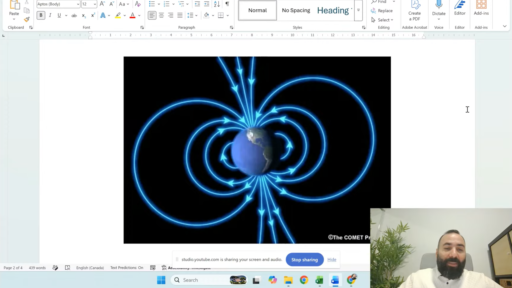
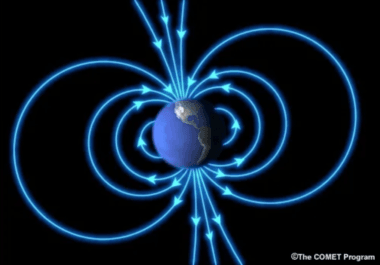
J’ai passé ma dernière année de lycée à réfléchir à ce problème et à la manière de le résoudre. J’ai exploré de nombreuses idées, et je me suis particulièrement concentré sur les Cycles de Milankovitch, les Pulsations d’Eau de Fonte, les Inversions de Polarité Magnétique et les queues de comètes, comme explications potentielles d’un déluge mondial.
Cependant, il y avait un problème avec cette histoire.
La Bible donne également les dimensions du bateau avec lequel Noé a survécu. Il était donc facile de calculer si six millions d’espèces d’animaux terrestres pouvaient tenir dans un seul bateau pour survivre.
Évidemment, ils ne tenaient pas.
Alors, je me suis dit : « Peut-être que cette partie de la Bible a été modifiée ou mal traduite. »
Lorsque j’ai déménagé dans le New Jersey durant ma première année d’université, j’ai décidé de voir ce que le Coran disait à ce sujet.
J’ai donc trouvé six traductions anglaises du Coran sur Internet. Cinq d’entre elles suggéraient que Noé avait pris tous les animaux avec lui dans le bateau, ou du moins laissaient cette possibilité ouverte, tandis qu’une seule affirmait que seuls les animaux domestiques de Noé étaient inclus, uniquement les animaux apprivoisés, et que le déluge était un déluge local, et non un déluge couvrant le monde entier.
Cela expliquerait pourquoi je n’avais trouvé aucune preuve scientifique d’un déluge mondial.
Trouver la Vérité
Et, à partir du Coran, nous pouvons voir dans le verset 11:40 qu’il est question uniquement des animaux qui vivaient avec la famille de Noé, ce qui signifie les animaux domestiques.
Cela peut être compris grâce au contexte du verset, qui nous explique comment Noé a reçu l’ordre de ne pas inclure les personnes et les animaux qui s’opposaient à sa voix.
Ainsi, les animaux sauvages se seraient enfuis en entendant la voix de Noé, tandis que les animaux domestiques auraient écouté la voix de Noé lorsqu’il les appelait.
Par conséquent, seules les personnes et les animaux qui répondaient à la voix de Noé lorsqu’il les appelait ont été inclus dans le bateau, c’est-à-dire uniquement sa famille et ses animaux domestiques.
Mais à cette époque, je ne le savais pas, et cinq des six traductions du Coran que je lisais soutenaient en réalité l’idée erronée selon laquelle toutes les espèces animales du monde avaient accompagné Noé, semblant reprendre cette idée de la Bible.
Il me semblait donc assez improbable que cinq traductions du Coran soient incorrectes alors qu’une seule serait correcte. J’ai donc décidé d’exclure cette traduction de mes recherches malgré tout, mais par précaution, j’ai décidé de la relire une dernière fois avant de l’écarter.
Cette traduction semblait faire une grande affirmation. Elle affirmait qu’elle fournissait une preuve mathématique venant de Dieu que le Coran était une révélation divine et non un livre créé par des humains.
Alors je me suis dit : « Ah. C’est mon domaine d’expertise. Je peux invalider cette traduction simplement en trouvant les défauts méthodologiques de cette affirmation mathématique. »
J’ai donc analysé cette affirmation pendant plusieurs jours, encore et encore, et je n’ai trouvé aucun défaut dans la méthodologie.
J’ai capitulé.
Il semblait clairement y avoir un Miracle Mathématique dans le Coran.
J’ai alors ouvert le Coran et commencé à le lire, et je suis arrivé au chapitre 7, où il raconte l’histoire des magiciens experts qui ont essayé de vaincre Moïse avec leur magie, mais qui ont eux-mêmes été vaincus, puis se sont prosternés.
Le sous-titre de cette section dans la traduction disait : « La Vérité Reconnue par les Experts. »
À ce moment-là, j’ai compris.
Je suis l’expert en mathématiques, et je venais d’être vaincu dans mon propre domaine, exactement comme les magiciens experts avaient été vaincus dans leur propre domaine.
J’ai réalisé la vérité.
J’ai accepté que le Coran était effectivement un livre venant de Dieu.
Je me suis prosterné. J’ai pleuré. Je me suis repenti. J’ai appris à accomplir les Prières de Contact.
Je me suis soumis à Dieu.
Je suis devenu un soumissionnaire et j’ai décidé de vivre ma vie conformément au Coran.
J’avais alors 19 ans, en 2004.
Je n’avais aucun contact avec des soumissionnaires ou avec d’autres groupes religieux. J’aurais aimé les rencontrer, mais je ne savais pas qui ils étaient ni où ils vivaient, et je ne croyais de toute façon pas aux religions organisées à cette époque.
Pour moi, il s’agissait alors d’un voyage personnel.
Quelques semaines plus tard, je suis tombé sur le verset 26:214, qui dit que l’on doit prêcher aux personnes qui nous sont les plus proches.
Prêcher la Vérité
Ainsi, j’ai décidé d’annoncer à mes proches, à ma famille et aux personnes de mon pays la bonne nouvelle que le Coran vient réellement de Dieu. Mais il aurait été difficile pour moi de partager la vérité avec eux, à moins d’avoir les informations en albanais, surtout parce qu’ils ne s’intéressaient pas aux sujets religieux, et que les générations plus âgées ne comprennent pas l’anglais.
J’ai donc décidé de traduire en albanais la « Traduction Anglaise Autorisée du Coran ».
Dès que j’ai commencé, je me suis retrouvé bloqué au deuxième mot du Coran. Je n’arrivais pas à décider comment traduire le mot « Dieu » en albanais, car en albanais, il a été complètement remplacé par le mot « Seigneur », et le mot albanais d’origine pour « Dieu » a presque totalement disparu de l’usage quotidien.
Et il existe une différence entre le mot « Dieu » et le mot « Seigneur ». Il peut y avoir plusieurs seigneurs, tout comme il existe plusieurs rois. Toute personne qui possède légalement des esclaves est un seigneur. Cependant, il n’existe qu’un seul Dieu.
Il n’y a aucun autre dieu en dehors de Dieu.
Et bien sûr, seul Dieu est le Seigneur des cieux et de la Terre.
Si je ne pouvais pas exprimer cela clairement en albanais, je risquais de transmettre incorrectement le message du monothéisme.
La Lutte
Je ne voulais pas continuer plus loin tant que je n’avais pas résolu ce problème.
J’ai donc voulu lire les anciens livres religieux albanais et voir comment ces mots avaient évolué, ainsi que dans quels contextes ils étaient utilisés.
Je n’ai pas réussi à trouver de livres albanais en ligne durant les débuts d’Internet en 2004, alors j’ai décidé de retourner au Kosovo pour lire les livres dont j’avais besoin, qui se trouvaient dans la bibliothèque de mes parents.
Si je leur demandais de me les envoyer, ils m’auraient posé des questions sur la raison pour laquelle j’en avais besoin au lieu de simplement me les envoyer, surtout parce qu’ils ne voulaient pas que je devienne religieux.
Ainsi, à la surprise de mes parents, je suis retourné au Kosovo.
Mon plan naïf était de terminer la traduction en quelques mois et de retourner aux États-Unis.
Mais Dieu avait d’autres plans, et j’ai finalement décidé de rester au Kosovo.
J’ai fréquenté une université américaine là-bas, une branche du Rochester Institute of Technology, mais en réalité, je passais la plupart de mes nuits à étudier afin d’améliorer ma terminologie pour traduire le Coran en albanais.
Lorsque la fin de l’année universitaire est arrivée, durant l’été 2005, j’étais prêt à traduire le Coran.
Dès le début des vacances d’été, j’ai commencé la traduction du Coran.
Mon professeur d’écriture et de littérature m’avait appris à rédiger plusieurs versions successives d’un texte. J’ai donc décidé de tout traduire comme une première version provisoire pendant l’été, puis de la réviser dans de nombreuses autres versions durant plusieurs années, avant de la rendre publique.
À la fin de l’été 2005, j’avais terminé la première version, mais je n’avais toujours pas résolu un problème important.
Je n’arrivais toujours pas à décider quel nom de Dieu je devais utiliser en albanais.
J’étais encore partagé entre l’option correcte mais presque inutilisée, et l’option moins correcte mais couramment utilisée.
Je me suis dit : « Peut-être que si je trouve des personnes utilisant le nom correct de Dieu dans d’autres régions où vivent des Albanais qui parlent des dialectes légèrement différents, cela justifierait l’utilisation de ce nom, même s’il n’est pas utilisé quotidiennement au Kosovo. »
J’ai donc entrepris un voyage pour trouver le nom correct de Dieu utilisé parmi les habitants d’Albanie.
C’était ma première fois dans ce pays.
Je n’avais pas beaucoup d’argent en tant qu’étudiant, alors j’ai décidé d’aller dans l’endroit touristique le moins cher de Durrës, en Albanie.
Lorsque je suis arrivé là-bas, j’ai découvert que les plages étaient bondées, remplies de jeunes femmes peu vêtues en maillots de bain.
Cet environnement était inacceptable pour moi, surtout à cette époque, alors j’ai décidé de voyager plus au sud dans l’espoir de trouver une plage plus isolée et moins fréquentée.
J’ai atteint une plage située près d’une zone forestière. Elle s’appelait « Mali i Robit » (« La Montagne du Serviteur »).
L’Éveil
L’hôtel portait également le même nom.
Quoi qu’il en soit, une fois sur place, j’ai réalisé que mon voyage était assez peu productif, car je me sentais trop timide pour commencer des conversations spontanées avec des inconnus. Et même lorsque nous discutions, ils utilisaient presque jamais le nom de Dieu, et je n’ai pas entendu la version correcte.
Je ne pouvais pas voyager plus au sud, car je n’avais plus d’argent, et j’ai décidé que j’utiliserais le nom ancien et correct de Dieu en albanais, même si je n’avais aucune preuve que les gens l’utilisaient encore aujourd’hui dans leur vie quotidienne, même si cela rendait le livre étrange.
Mais j’avais toujours des doutes quant au fait de faire le bon choix.
Ainsi, avant de dormir, j’ai décidé de prier Dieu.
J’ai dit : « S’il te plaît, Dieu, montre-moi un signe si je fais la bonne chose ! Si un jour je devais m’attendre à ce que Tu me parles, pourrais-Tu me parler maintenant ? »
Mais ensuite, j’ai pensé : « Cette prière n’est pas valide. Le Coran est la dernière Écriture révélée à Mohammed, et je ne devrais pas m’attendre à ce que Dieu me parle directement. »
Alors j’ai corrigé ma prière et j’ai dit :
« D’accord Dieu. Tu n’as pas besoin de me parler, mais montre-moi au moins ce que je ressentirais si Tu me parlais. »
Je me suis endormi cette nuit-là, et lorsque l’aube est arrivée, une voix m’a réveillé en m’appelant « Alban Fejza ».
Je l’ai entendue avec tout mon corps, pas seulement avec mes oreilles.
La voix venait de toutes les directions, depuis l’extérieur de mon corps, et même depuis l’intérieur de mon corps.
Le temps semblait différent, et je me sentais complètement en paix et aimé comme jamais auparavant.
Même après avoir ressenti ces paroles, j’ai continué à les ressentir pendant toute la journée, comme si elles avaient été absorbées par tout mon corps.
Je n’avais jamais entendu de voix de toute ma vie avant cela, ni après cela.
Je savais que quelque chose de très important venait de se produire, mais je ne savais pas ce que cela signifiait.
Quoi qu’il en soit, maintenant, 16 ans plus tard, j’ai enfin compris ce que cela signifie et je vous l’expliquerai plus tard dans cette vidéo.
Mais laissez-moi d’abord continuer mon histoire.
Être Choisi comme Messager
Quoi qu’il en soit, j’ai terminé l’université, j’ai commencé à travailler, j’ai donné des manuscrits du Coran à ma famille et à mes proches, mais je ne l’avais toujours pas publié.
J’ai décidé de ne pas publier le Coran tant que je ne serais pas prêt à obéir à chaque ordre qu’il contient.
Il existe un verset dans le Coran qui dit : « Demandez-vous aux gens d’être vertueux tout en vous oubliant vous-mêmes ? »
Et en traduisant le Coran, je demandais par défaut aux gens d’être vertueux. Je ne me sentais donc pas qualifié pour faire cela tant que je n’étais pas moi-même prêt à obéir à chaque ordre que le Coran donne.
J’ai donc entrepris un exercice d’amélioration personnelle afin de voir si j’avais le courage d’obéir à chaque ordre du Coran.
Beaucoup des ordres donnés dans le Coran commencent par le mot « Dis ».
Il nous indique quoi dire, et il faut du courage pour dire certaines de ces choses.
J’avais décidé de dire ces choses, peu importe ce que les gens penseraient de moi, et seulement alors pourrais-je me considérer digne de publier la traduction.
Pendant que je faisais cet exercice d’amélioration personnelle, un jour en 2008, alors que je lisais le Coran, je suis arrivé au verset 10 du chapitre 44 du Coran.
Il dit :
« Attends donc le jour où le ciel apportera une fumée manifeste. »
Le mot « attends » a attiré mon attention.
Je me suis dit : le Coran ne me dit pas seulement quoi dire, il me dit également quoi observer.
Alors, permettez-moi aussi d’obéir à cet ordre.
J’ai regardé par la fenêtre et j’ai observé le ciel, mais je n’ai vu aucune fumée.
J’ai compris que Dieu voulait que je l’observe dans le Coran, et en quelques minutes, je l’ai trouvée.
Dieu m’a permis de découvrir que la Fumée arriverait en l’an 2052, et cela s’est automatiquement accompagné d’une nouvelle prise de conscience : j’étais le messager de Dieu.
J’ai ensuite confirmé cela en me basant sur le verset 72:27, qui dit :
« Seul à un messager qu’Il choisit, Il révèle des informations spécifiques sur le passé et le futur. »
Puisque Dieu m’avait permis de connaître un événement futur précis, cela signifiait automatiquement que j’étais le messager de Dieu.
Ainsi, je savais que j’étais le messager de Dieu, mais je ne savais pas quel messager j’étais.
Je ne comprenais pas pourquoi Dieu enverrait un messager peu de temps après un autre messager.
Quel était mon rôle dans tout cela ?
J’ai compris mon rôle quelques mois plus tard, alors que je me préparais à voyager au Royaume-Uni, après avoir obtenu une bourse pour poursuivre mes études de Master là-bas.
J’ai découvert en ligne qu’il existait d’autres soumissionnaires vivant au Royaume-Uni. Je n’avais jamais rencontré d’autres soumissionnaires auparavant, et j’étais impatient de les rencontrer.
Je les ai donc contactés, et j’ai reçu plusieurs e-mails de différents membres du groupe me demandant des explications sur des questions spécifiques du Coran qu’ils ne comprenaient pas.
Cela m’a fait comprendre quel était mon rôle.
Mon rôle est d’expliquer et de clarifier les choses à partir du Coran.
Le Messager Clarifiant
J’ai vérifié dans le Coran, et le passage était bien là.
La même Sourate qui avait prédit la Fumée que j’avais découverte, seulement trois versets plus tard (44:13), prédisait également que je serais le Messager Clarifiant.
Ainsi, je savais maintenant exactement quel messager j’étais.
J’étais le Messager Clarifiant.
Insister pour Parler du Message plutôt que du Statut de Messager
Quoi qu’il en soit, j’ai voyagé au Royaume-Uni, et sur le chemin, j’ai réalisé quelque chose.
J’ai compris que le rôle des messagers après le Coran n’est pas exactement le même que celui des messagers avant le Coran.
Avant le Coran, les gens devaient croire aux messagers, sinon ils n’auraient pas été sauvés, puisqu’il n’existait pas d’autre moyen de croire ou de communiquer avec Dieu.
Cependant, après le Coran, les gens disposent déjà du Coran, et ils n’ont pas nécessairement besoin de croire en un autre messager pour être sauvés.
Ils peuvent être sauvés en croyant directement au Coran, avec ou sans messager humain.
Ainsi, le rôle des messagers après le Coran est seulement de corriger les erreurs des gens, et non d’apporter quelque chose de nouveau.
Cela signifie que savoir avec certitude si quelqu’un est le messager de Dieu ou non dans le monde moderne n’est pas une condition préalable pour accéder au Paradis.
Cela signifie que je ne commencerai jamais à parler de mon statut de messager, sauf si le sujet est abordé ou si les gens me posent des questions à ce sujet.
Même cette vidéo est une réponse aux questions que les gens m’ont posées.
Quoi qu’il en soit, avec cette nouvelle compréhension, selon laquelle les croyants ne devraient jamais aborder le sujet de savoir qui est un messager et qui ne l’est pas, sauf si les non-croyants l’abordent en premier, je suis allé au Royaume-Uni.
J’ai rencontré environ dix ou quinze personnes qui se réunissaient chaque mois pour étudier le Coran.
Il s’est avéré que les deux principaux responsables de ce groupe ont commencé à se disputer pour une chose assez insignifiante, et cette négativité s’est propagée parmi nous tous.
Nous avons échangé des e-mails irréfléchis pendant un certain temps, et finalement, les personnes les plus éloignées de la guidance ont abordé le sujet de savoir si j’étais ou non le messager de Dieu.
J’ai donc dû leur répondre.
Je leur ai expliqué.
Et comme je m’y attendais, les personnes sans guidance voulaient parler de ma fonction de messager, tandis que les personnes guidées voulaient parler de mon message.
Et c’est toujours ainsi.
Les Sept Paires
Quoi qu’il en soit, j’ai également parlé à ma famille, et toute ma famille m’a cru, à l’exception de mon père, ce qui explique pourquoi je suis destiné à être majoritairement rejeté, mais ce lien est un autre sujet pour une vidéo plus importante, puisqu’il s’applique à tous les gens, et pas seulement aux messagers. Cependant, lorsque je dis que je serai majoritairement rejeté, je veux dire que je m’attends à ce qu’environ mille personnes me croient avant la fin de ma vie, mais le monde compte sept milliards de personnes, ce qui représente donc une majorité de rejet. Quoi qu’il en soit, quelques autres personnes en dehors de ma famille m’ont également cru, et elles vivent dans de nombreux pays différents. Entre-temps, j’ai progressivement travaillé sur la manière dont j’allais structurer le message, afin de le rendre aussi complet que possible, tout en le gardant aussi court que possible. Avançons rapidement jusqu’à aujourd’hui, en 2021, où je réalise cette vidéo, et j’ai enfin compris pourquoi j’avais entendu mon nom être appelé « Alban Feja » en 2005. J’ai enfin compris ce que cela signifie. En 2005, j’étais devenu quelqu’un qui est mentionné dans le Coran.
J’ai accompli le verset 15:87 qui dit : « Nous t’avons donné les sept paires, et le grand Coran. », et ce verset s’applique à moi de sept manières différentes, et laissez-moi vous expliquer une par une comment ce verset s’applique à moi :
Premièrement, Dieu m’avait placé dans une situation en 2005 où tout ce que j’avais dans ma vie était sept paires et le grand Coran. Je n’avais ni femme, ni enfants, ni maison, ni appartement, ni voiture, pas même un vélo. Même un vélo aurait été considéré comme une paire de roues, mais je n’avais même pas de vélo. J’étais la seule personne au monde à avoir traduit le Coran tout en ne possédant rien, absolument rien dans ma vie, à l’exception de sept paires. Et ces sept paires sont :
- Une paire de jambes (24:45), afin que je puisse m’asseoir ou me tenir debout lorsque je lis le Coran
- Une paire de mains, afin que je puisse tenir le Coran
- Une paire de lèvres (90:9), afin que je puisse parler du Coran
- Une paire d’yeux (90:8), afin que je puisse lire le Coran
- Une paire d’oreilles, afin que je puisse écouter le Coran
- Une paire de cerveaux, l’hémisphère gauche et l’hémisphère droit, afin que je puisse comprendre et ressentir le Coran
- Et une paire de vêtements. En réalité, le Coran parle ici d’une autre paire, qui est liée au fait qu’il s’adresse principalement aux hommes, même si les femmes en bénéficient également. Et c’est en partie pourquoi Dieu a laissé ce verset apparemment vague, afin de ne pas m’embarrasser, ainsi que tous les hommes, en indiquant ce qu’est la septième paire, alors permettez-moi simplement de dire : « une paire de vêtements » à la place.
Ainsi, si nous avons ces sept paires, la prochaine chose que nous devrions désirer est le Coran. Je sais que beaucoup de personnes dans le monde se trouvent dans des situations où elles n’ont aucune richesse et sont complètement isolées de la société, mais elles aspirent toujours à autre chose que le Coran. La prochaine chose qu’elles désirent est autre chose après les sept paires, mais le verset dit : « les sept paires, ET LE CORAN. », et pouvez-vous me trouver une personne dans le monde dont la première chose qu’elle a possédée après son corps est le Coran ? Avant d’avoir une maison, avant d’avoir des partenaires, avant d’avoir des enfants, avant d’avoir des voitures, avant d’avoir des bijoux, et toutes ces choses sont également des paires. Ainsi, tous les autres croyants du monde avaient soit huit paires puis le Coran, soit neuf paires puis le Coran, ou peut-être dix paires puis le Coran, ou peut-être onze paires puis le Coran, ou peut-être cinq paires puis le Coran (par exemple une personne handicapée ou aveugle),
ou peut-être six paires puis le Coran, s’il s’agit d’une femme célibataire, ou peut-être au moins huit paires puis le Coran, si elle a un mari qui vient automatiquement avec une dot, passant ainsi de six à huit paires ou davantage, ou peut-être zéro paire puis le Coran, dans les cas où quelqu’un est un jeune enfant qui a mémorisé tout le Coran, mais qui appartient encore à ses parents. Mais comme vous pouvez le voir, il est presque impossible de trouver une personne à qui ont été donnés exactement sept paires puis le Coran. Cela peut arriver uniquement à un homme en bonne santé qui n’a ni épouse, ni partenaire, ni enfants avec lui, et qui a été guidé complètement indépendamment de ses parents, d’autres proches ou amis, et qui ne possède rien à part le Coran, tout en n’étant en même temps possédé par personne d’autre que Dieu. Ces cas sont tellement rares dans ce monde que cela n’est arrivé qu’à Mohammed et à moi.
Dans le cas de Mohammed, cela s’est produit en l’an 622 lorsqu’il a émigré de La Mecque vers Médine. Sa famille avait fui plus tôt vers Médine. Ensuite, Mohammed a été menacé et forcé de quitter La Mecque. Il a abandonné toute sa richesse, sa maison, son bétail, son équipement. Tout. Il a tout perdu. Il n’a emporté que ses vêtements et est parti. Même le chameau qu’il a utilisé pour s’enfuir ne lui appartenait pas. Abu Bakr avait apporté deux chameaux, un pour Mohammed et un pour lui-même. Ainsi, alors que Mohammed voyageait de La Mecque vers Médine, il ne lui restait rien, à l’exception des sept paires et du grand Coran. Donc, tout ce qu’il avait à ce moment-là était son corps, ses vêtements à l’extérieur de son corps, et le Coran à l’intérieur de son corps.
Cela lui est arrivé afin que le verset 15:87 puisse s’appliquer à lui, et plus tard Dieu lui a rendu la richesse lors de la bataille de Badr, mais à ce moment-là Mohammed n’avait rien d’autre. C’est pourquoi les années de l’Hégire sont comptées à partir de ce moment de l’histoire. C’est pourquoi toute la Sourate 15 a été révélée à Mohammed avant son départ de La Mecque, à l’exception du verset 87 qui parle des sept paires, qui a été révélé à Mohammed juste après son départ de La Mecque.
Quoi qu’il en soit, il y a quelque chose de pur dans le fait de ne rien avoir à part les sept paires et le Coran. C’est pourquoi, lorsque je fais des prédictions en utilisant les Initiales Coraniques, j’utilise l’année 2005 comme référence pour mes prédictions, car c’est la seule période où je n’avais que les sept paires, le Coran, et rien d’autre. Un nouveau départ. C’est pourquoi le Coran dit : « Nous t’avons donné les sept paires, et le grand Coran. » (15:87), puis immédiatement après il dit : « Ne sois même pas jaloux envers ceux qui ont été associés (à quelqu’un d’autre ou à quelque chose d’autre) », c’est-à-dire ceux qui ont plus que les sept paires, et Dieu dit cela parce qu’avoir des yeux pour lire le Coran, des mains pour tenir le Coran, des oreilles pour écouter le Coran, et ainsi de suite, si vous les utilisez pour le Coran, est une bénédiction bien plus grande que les paires supplémentaires que Dieu a données aux autres personnes.
Et, immédiatement, le verset suivant me dit : « Et dis : “Je suis l’avertisseur clarifiant.” » Dans ce cas, il m’appelle « l’avertisseur clarifiant » au lieu de « le Messager Clarifiant », car en 2005, je n’étais pas encore un messager. J’ai été choisi plus tard en 2008, mais en 2005, j’avais seulement accompli le verset concernant les sept paires. J’ai accompli le verset concernant les sept paires avant d’être choisi comme messager, contrairement à Mohammed qui a accompli le verset concernant les sept paires après avoir été choisi comme Messager, et cela parce que j’avais le Coran avant d’être choisi comme messager, tandis que Mohammed n’avait le Coran qu’après avoir été choisi comme messager.
La Deuxième Signification des « Sept Paires »
La deuxième manière dont le verset concernant les sept paires s’applique à moi est la suivante : À cette époque, en 2005, lorsque j’ai entendu mon nom être appelé, j’avais terminé quatorze années d’école – sept années scolaires à l’école primaire, puis la guerre a eu lieu dans mon pays et nous avons déménagé et changé d’école, puis j’ai suivi sept autres années dans différentes écoles. Ainsi, exactement après quatorze années d’école, j’ai utilisé les vacances d’été pour traduire la première version provisoire du Coran. Les connaissances que j’avais reçues durant ces quatorze années d’école étaient une condition préalable pour être suffisamment sage afin de comprendre et d’expliquer le Coran dans cette époque moderne. Donc, quatorze années d’école puis le grand Coran.
La Troisième Signification des « Sept Paires »
Maintenant, la troisième manière dont le verset concernant les sept paires s’applique à moi est la suivante : J’ai reçu la signification des 14 Initiales Coraniques mystérieuses. Depuis la révélation du Coran, aucune personne sur Terre ne connaissait leur signification jusqu’à ce que j’explique finalement leur sens. C’est expliqué dans mon autre vidéo intitulée « Expliquer les Initiales Coraniques : Prédire le Futur ». Certaines personnes aimeraient penser que le verset concernant les sept paires s’applique uniquement à Mohammed, car les 14 Initiales Coraniques mystérieuses ont été révélées à Mohammed. Oui, elles ont été révélées à Mohammed, mais Mohammed n’a jamais compris ce qu’elles signifiaient. Mohammed a reçu les lettres, mais j’ai reçu leur signification. Ainsi, nous avons tous les deux reçu les sept paires. Il a reçu les quatorze lettres sans comprendre leur signification, et j’ai reçu les quatorze significations de ces lettres.
La Quatrième Signification des « Sept Paires »
Cela m’amène à la quatrième manière dont le verset concernant les sept paires s’applique à moi. Lorsque j’ai entendu mon nom être appelé « ALBAN FEJA » en 2005, je n’étais pas seulement appelé par mon nom. On me révélait mon futur. Comme je vous l’ai expliqué, Dieu m’a permis de découvrir la signification des 14 lettres mystérieuses du Coran qui annoncent le futur du monde, et 7 de ces lettres (Initiales Coraniques) ont été utilisées lorsque mon nom a été appelé, ce qui m’a en réalité révélé mon futur.
Les voici listées dans l’ordre chronologique :
- A
- A
- A
- J
- L
- E
- N
Comme je l’explique dans cette autre vidéo, chacune de ces lettres représente une signification et un nombre. A vaut 1, et signifie bœuf, J vaut 10 et signifie bras, L vaut 30, et signifie aiguillon (un morceau de bâton utilisé pour diriger le bœuf), E vaut 5 et signifie jubilation (des bras levés de bonheur), et N vaut 50 et signifie poisson.
Voici maintenant l’interprétation de ces symboles et de ces nombres uniquement dans mon cas. Trois années de travail acharné et de croissance spirituelle comme un bœuf, de 2005 à 2008, période durant laquelle Dieu me testait et me préparait afin de me choisir comme Son messager. Les trois années les plus difficiles de ma vie. Je passais mes nuits à éditer le Coran et, pendant la journée, j’essayais de rattraper mes études. À la fin de ces trois années, Dieu m’a choisi comme Son messager.
Ensuite, dix années sont venues, durant lesquelles je prêchais, mais il s’agissait d’une lutte individuelle et non organisée, sans beaucoup de soutien de la part de qui que ce soit, comme un travail manuel. Même ceux qui voulaient me soutenir avaient leurs propres défis plus importants.
Maintenant, depuis 2018, je suis dans une période de trente années lunaires de lutte organisée, durant laquelle d’autres personnes me soutiennent également dans la cause de Dieu. Après cela, de 2047 à 2052, viendra pour moi une période de cinq années durant laquelle je lèverai mes mains et glorifierai Dieu pour le succès, et les soumissionnaires œuvreront par eux-mêmes sans que j’aie besoin de leur dire comment faire.
Et le poisson ainsi que les cinquante années lunaires représentent toute la période de cinquante années lunaires durant laquelle j’extrais des informations du Coran pour les mettre sur Internet – ainsi, de 2005 à 2054 représentent mes cinquante années lunaires d’informations nouvelles constantes.
D’ailleurs, lorsque j’ai entendu mon nom être appelé en 2005, j’ai entendu mon nom de famille être prononcé « FEJA » au lieu de « FEJZA ». La lettre « Z » a été retirée de mon nom de famille, et dans l’alphabet original, la lettre « Z » signifie « lutte armée ». Ainsi, Dieu a retiré la lutte armée de ma vie, de manière similaire à Moïse qui ne s’est pas engagé dans une lutte armée contre Pharaon, car Dieu avait un meilleur plan. Ainsi, cinquante années d’efforts dans la cause de Dieu, mais aucune année de lutte armée.
La Cinquième Signification des « Sept Paires »
Maintenant, la cinquième manière dont le verset concernant les sept paires s’applique à moi est liée aux Initiales H.M. Les Initiales H.M. apparaissent comme un verset séparé dans le Coran exactement sept fois. C’est le seul verset du Coran qui est répété exactement sept fois, et il possède une paire de lettres – H et M. Sept paires.
Cette paire d’initiales est en réalité celle que j’ai utilisée pour ma première découverte concernant le futur, c’est-à-dire lorsque je suis devenu un messager. En 2008, j’ai réalisé que la prophétie concernant la fumée qui devait apparaître dans le futur se trouvait dans la Sourate qui commence par les Initiales H.M., et j’ai utilisé la valeur de ces lettres, combinée avec d’autres faits coraniques, pour prédire que la Fumée arriverait en l’an 2052.
Puis, plusieurs années plus tard, j’ai découvert la signification de toutes les autres initiales.
Ainsi, les Initiales H.M. sont sept paires à l’intérieur des sept paires.
La Sixième Signification des « Sept Paires »
Maintenant, la sixième manière dont le verset concernant les sept paires s’applique à moi : Les sept paires sont les sept paires de caractéristiques personnelles qu’une personne devrait posséder pour être préqualifiée comme messager potentiel, comme le courage, la croyance, la sagesse, la soumission, et ainsi de suite.
Je les présente dans mon autre vidéo intitulée « Le Messager Clarifiant ».
La Septième Signification des « Sept Paires »
Maintenant, laissez-moi vous expliquer la septième manière, et la plus importante, dont le verset concernant les sept paires s’applique à moi : D’accord, il n’existe qu’un seul Coran, mais il possède sept significations. Dans certains versets du Coran, ces sept significations sont toutes identiques, auquel cas le verset semble clair et facile à comprendre, mais dans d’autres versets, certaines significations ou les sept significations sont différentes, auquel cas le verset peut sembler difficile à comprendre.
Maintenant, lorsqu’il s’agit de ces versets ayant plusieurs significations, vous pouvez rechercher les savants du Coran les plus érudits de toute l’histoire depuis la révélation du Coran, et vous constaterez qu’ils sont généralement seulement capables de vous donner une ou deux significations, ou au maximum trois significations.
Mais moi, je peux vous donner les sept significations.
Je suis le premier être humain à avoir compris les sept significations du Coran.
Cela montre que Dieu m’a donné les sept significations du Coran, et je vous explique ces significations dans ma vidéo intitulée « Les Versets aux Significations Multiples ».
Ainsi, la manière la plus importante de comprendre la déclaration de Dieu lorsqu’Il dit : « Nous t’avons donné les sept paires, et le grand Coran » est de comprendre que Dieu m’a donné les sept significations qui sont associées au Coran, ainsi que le grand Coran qui contient les mots et les lettres réels, disponible pour tout le monde.
Puis Dieu continue en disant : « Ne sois pas jaloux de ce que Nous avons donné aux autres avec des partenaires, et ne sois pas attristé, abaisse ton aile pour les croyants, et dis : “Je suis l’avertisseur clarifiant.” Nous nous occuperons des diviseurs. »
Ainsi, Dieu identifie ici mes opposants en les appelant « les diviseurs », puis Il m’explique pourquoi ils sont les diviseurs en disant : « Ils acceptent le Coran seulement partiellement », en acceptant seulement une signification et en rejetant les autres significations. Ils seront tous interrogés sur tout ce qu’ils ont fait.
Par: Alban Fejza, le Messager Clarifiant
Article original : My Journey to Truth and Enlightenment
Traduction française par : Guillaume Guy
Lire d’autres clarifications à partir du Coran traduites en français
Pour continuer à explorer :